Robotics is booming, and honestly, it’s one of the best times to be looking at a career in this space. The demand for skilled professionals across robotics and automation is growing fast, and the top robotics sector jobs available today span way more roles than most people realize.
From AI-powered inspection systems to autonomous robots working in some of the most challenging environments on the planet, this field is as exciting as it gets.
We’ve put together a list of 8 robotics sector jobs worth exploring, ranging from hands-on robotics technician roles all the way up to senior engineer positions. So if you’re looking to choose a career path that’s future-proof and genuinely rewarding, keep reading, this guide is for you.
Simplify your Hiring Process with avua
avua is one of the few platforms that combines resume building, AI mock interviews, CV analysis, and a massive job board into a single ecosystem for job seekers. Most of the tools usually have resume building and score tool but here AI mock interviews and 1.5 Million+ Jobs make it stand out of the usual ones.
Get Unlimited Edits and CV Analysis with 5 AI Mock Interviews at $29.99 only
Top Robotics Sector Jobs You Should Know About
| Job Title | What They Do | Qualifications | Avg. Salary (USD) | Key Skills & Tools |
|---|---|---|---|---|
| Robotics Technician | Installs, maintains, and troubleshoots robotic systems day-to-day | Associate’s/Bachelor’s in Electronics or Mechatronics + 1–3 years hands-on experience | $50,000 – $75,000/yr | PLC programming, electrical systems, mechanical assembly |
| Robotics Software Engineer | Codes, tests, and debugs software for robotic systems; handles AI integration and simulation | Bachelor’s/Master’s in Computer Science or Robotics + 2–5 years dev experience | $95,000 – $140,000/yr | Python, C++, ROS, MATLAB, AI/ML frameworks |
| Automation Engineer | Designs and maintains automated systems with minimal human intervention | Bachelor’s in Electrical or Systems Engineering + industrial automation experience | $80,000 – $120,000/yr | PLC/SCADA, control systems, CAD, robotics integration |
| Design Engineer (Robotics) | Designs robotic hardware, creates blueprints, prototypes, and technical specs | Bachelor’s in Mechanical/Systems Engineering + proficiency in design tools | $75,000 – $115,000/yr | SolidWorks, AutoCAD, FEA simulation, 3D modelling |
| ML / AI Engineer | Builds AI and ML models that drive robotic decision-making and autonomous behaviour | Bachelor’s/Master’s in Computer Science or AI + strong maths and programming skills | $110,000 – $160,000/yr | TensorFlow, PyTorch, Python, neural networks, cloud platforms |
| Computer Vision Engineer | Develops systems that help robots interpret visual data for navigation and inspection | Bachelor’s/Master’s in CS or Electrical Engineering + image processing experience | $100,000 – $145,000/yr | OpenCV, Python, deep learning, LiDAR, sensor fusion |
| Autonomous Systems Engineer | Builds autonomous mobile robots (AMRs) and self-driving systems; focuses on navigation and reliability | Bachelor’s/Master’s in Robotics or Systems Engineering + embedded/autonomous systems experience | $105,000 – $155,000/yr | ROS, SLAM, sensor fusion, C++, embedded systems |
| Senior Robotics Engineer | Leads robotics projects, mentors teams, and drives high-level technical decisions | Bachelor’s/Master’s in Robotics or Engineering + 7+ years of robotics experience | $130,000 – $185,000/yr | System architecture, full-stack robotics, team leadership, project management |
1. Robotics Technician
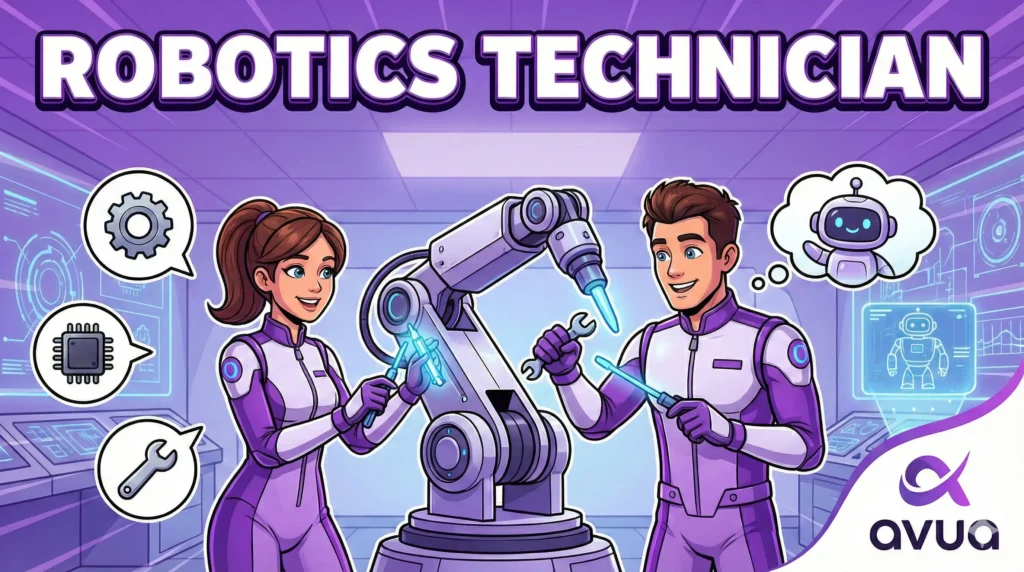
Think of a Robotics Technician as the person who keeps everything running. On any given day, they’re installing robotic systems, diagnosing faults, running maintenance checks, and working side-by-side with engineers to make sure automated equipment stays in top shape. It’s a very hands-on role, and that’s exactly what makes it great for people who like working with physical systems rather than sitting behind a screen all day.
To get started, most employers look for an Associate’s or Bachelor’s degree in Electronics, Mechatronics, or a related field, along with 1–3 years of practical experience. Salary-wise, you’re looking at roughly $50,000 to $75,000 per year depending on the industry and location. For nuclear sector candidates, this is honestly one of the most natural transitions out there, if you’ve been working with complex electromechanical systems in a safety-critical environment, you’re already most of the way there.
2. Robotics Software Engineer
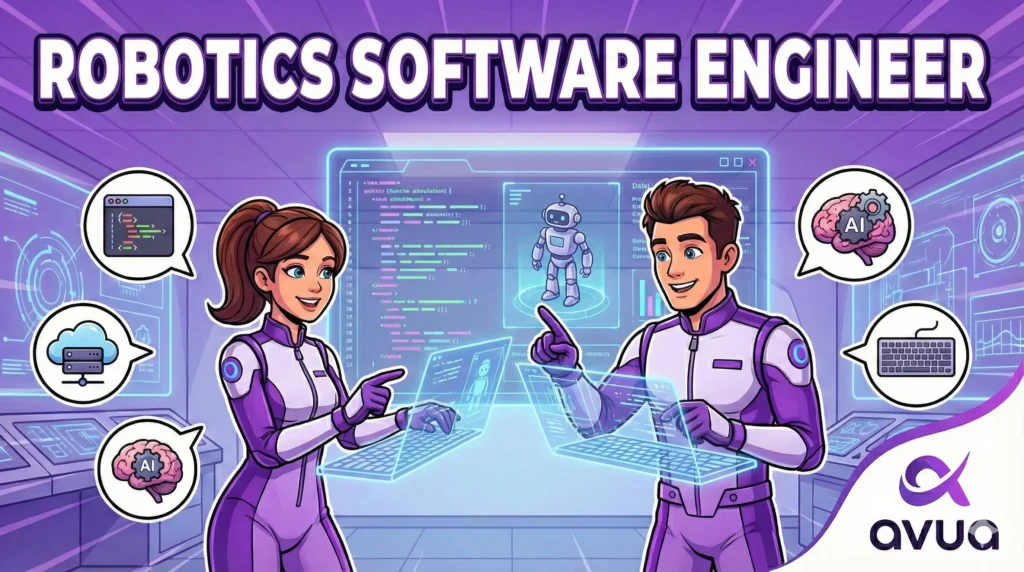
If you’re someone who loves to code and wants to work on technology that actually moves, a Robotics Software Engineer role might be the perfect fit. These professionals are responsible for writing and testing the software that controls robotic systems, building simulation environments, and integrating AI capabilities into robotic platforms. It’s a role that sits right at the intersection of software development and real-world engineering.
In terms of tools, Python and C++ are your bread and butter, alongside ROS (Robot Operating System) and various AI/ML frameworks. A Bachelor’s or Master’s in Computer Science or Robotics is typically expected, plus around 2–5 years of development experience. The career path here is solid too, you can move from Junior Developer all the way up to Lead Engineer or Robotics Architect. It’s a role with real long-term potential.
3. Automation Engineer
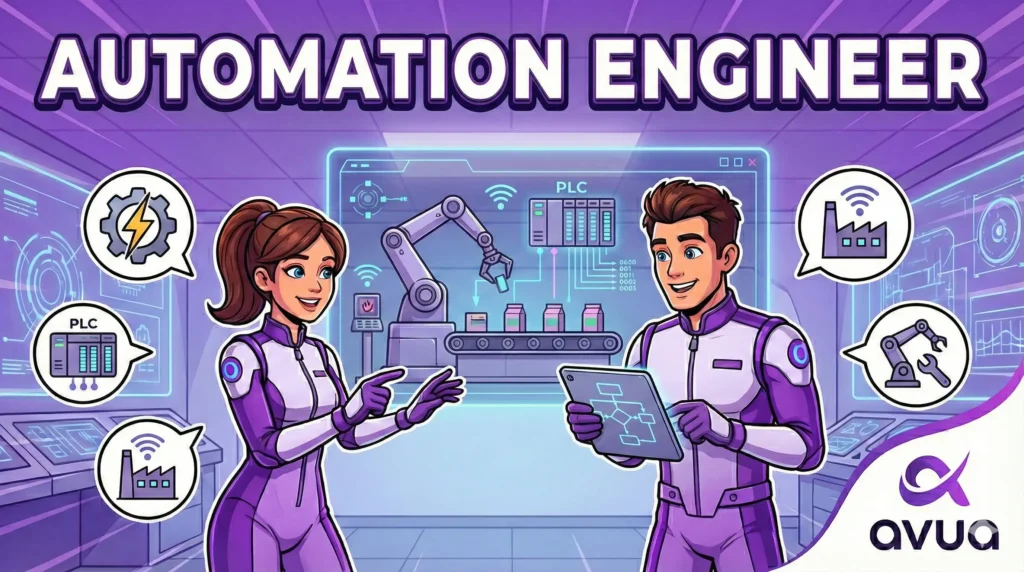
Automation Engineers are the people behind the systems that run themselves. Their job is to design, build, and maintain automated processes that reduce the need for manual intervention, and they do this across some pretty diverse industries, including manufacturing, energy, pharmaceuticals, and yes, nuclear. If a facility is running smoother and faster than it used to, there’s a good chance an Automation Engineer had something to do with it.
A Bachelor’s degree in Electrical, Mechanical, or Systems Engineering is the typical entry point, and hands-on experience with PLC and SCADA systems goes a long way. Salaries generally sit between $80,000 and $120,000 per year. For professionals coming out of the nuclear industry, this is an especially strong match, the control systems knowledge you’ve built up translates almost directly into what automation engineering demands day-to-day.
4. Design Engineer (Robotics)
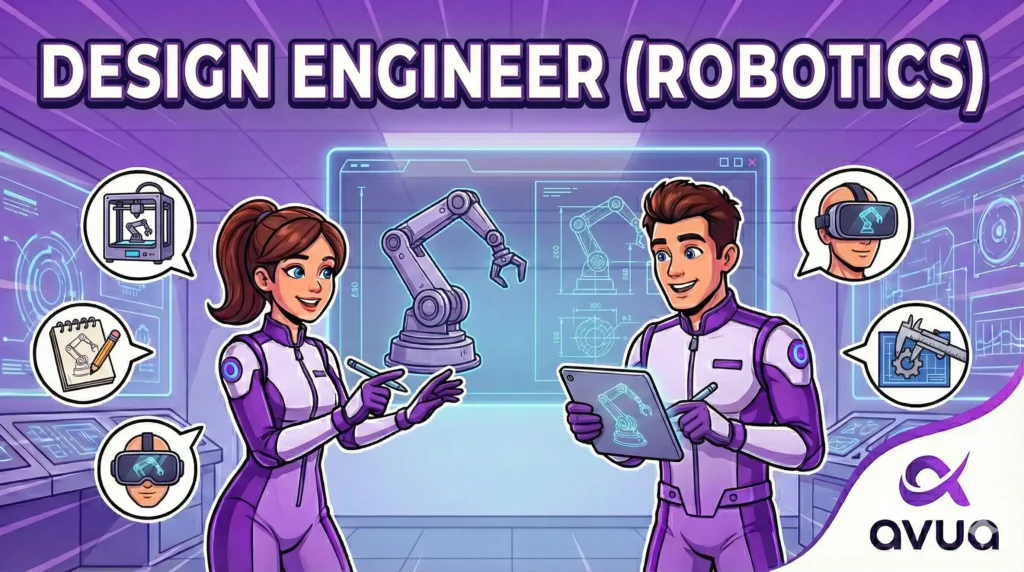
Robotics Design Engineers are the ones who figure out what a robot should physically look like and how it should be built. They work on the mechanical and systems design of robotic platforms, creating blueprints, developing prototypes, and writing technical specifications that bring robotic hardware from concept to reality. It’s a creative role, but very technically grounded.
Most employers want a Bachelor’s degree in Mechanical or Systems Engineering, along with solid experience using tools like SolidWorks, AutoCAD, and FEA simulation software. Salaries typically range from $75,000 to $115,000 per year. You’ll find these roles across robotics startups, defense contractors, automotive OEMs, and aerospace companies, so the range of employers is pretty wide. For nuclear professionals with a mechanical or structural design background, this is a very accessible and rewarding path worth considering.
5. Machine Learning / AI Engineer in Robotics
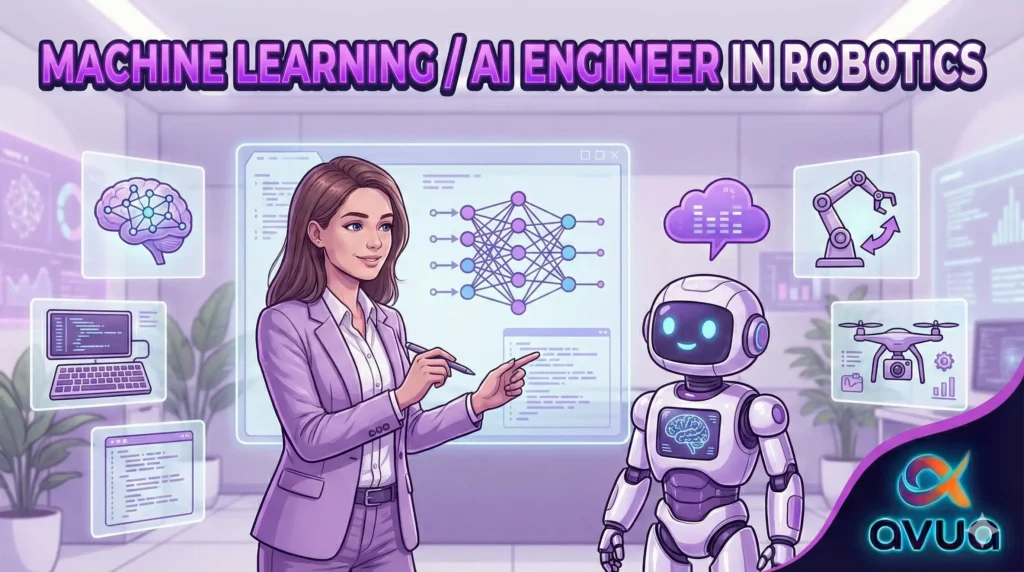
This is the role that sits at the core of what makes modern robots actually smart. Machine Learning and AI Engineers build the models and algorithms that allow robots to perceive their environment, make decisions, and improve over time. Without this work, robots would just be expensive machines following fixed instructions, ML and AI are what give them real capability.
The role involves working with frameworks like TensorFlow and PyTorch, building data pipelines, and training neural networks that power robotic behaviour. A strong background in mathematics and programming is essential, and most employers expect a Bachelor’s or Master’s in Computer Science, AI, or Data Science. Salary ranges from $110,000 to $160,000 per year, making it one of the higher-paying roles in the space. For nuclear professionals, this is more of an upskilling journey, but very achievable for those with a computational or data analysis background.
6. Computer Vision Engineer
Computer Vision Engineers teach robots how to see. More specifically, they build the systems that allow robots to interpret visual data; identifying objects, navigating spaces, detecting anomalies, and making sense of the world through cameras and sensors. It’s a role that’s absolutely critical in autonomous robotics, and the applications are incredibly broad.
Think remote inspection in hazardous environments, surveillance systems, autonomous navigation, and even medical robotics. These are areas where precision and reliability matter enormously, which is exactly why nuclear professionals are a great fit here. If you’ve worked with remote monitoring or visual inspection systems in a nuclear setting, you already understand the stakes. Technically, you’ll need experience with OpenCV, Python, deep learning, and sensor fusion. Salaries typically fall between $100,000 and $145,000 per year, and demand for this skill set is only going up.
7. Autonomous Vehicle / Systems Engineer
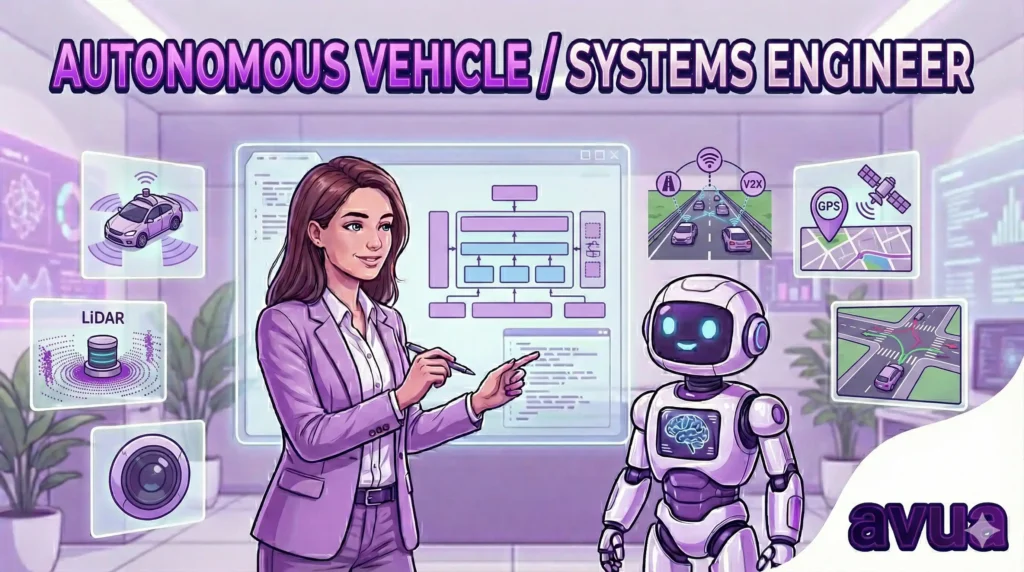
Autonomous Systems Engineers work on one of the most talked-about areas in all of robotics, building machines that can operate, navigate, and make decisions entirely on their own. This includes autonomous mobile robots (AMRs) used in warehouses and logistics, as well as more complex autonomous vehicle platforms used in defense, space exploration, and industrial environments.
The role requires a solid grasp of technologies like ROS, SLAM, sensor fusion, and embedded systems, along with strong programming skills in C++ and Python. A Bachelor’s or Master’s in Robotics or Systems Engineering is the standard requirement. Industries hiring for this role range from autonomous vehicle companies and logistics firms to government agencies and defense contractors. For nuclear professionals who’ve worked with remote-operated systems, this is a highly relevant career move with strong salary prospects between $105,000 and $155,000 per year.
8. Senior Robotics Engineer
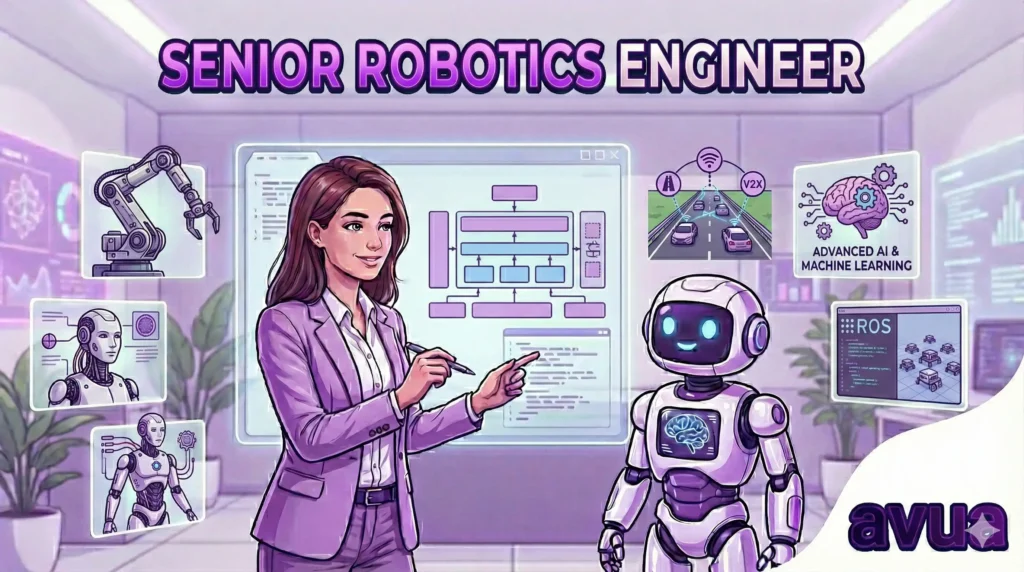
A Senior Robotics Engineer isn’t just a more experienced version of a mid-level engineer, it’s a fundamentally different kind of role. At this level, you’re not just solving technical problems; you’re leading teams, making architectural decisions, setting technical direction, and taking ownership of complex, high-stakes projects from start to finish. It’s where deep technical expertise meets real leadership responsibility.
Employers typically expect 7+ years of hands-on robotics experience, along with a strong grasp of system architecture, full-stack robotics knowledge, and the ability to mentor and guide junior engineers. Salaries reflect that seniority too, ranging from $130,000 to $185,000 per year with significant room to grow into Principal Engineer or VP-level roles. For experienced nuclear engineers, this is actually a very strong entry point into robotics, your background in safety-critical systems and technical leadership is exactly what top robotics companies are looking for.
Frequently Asked Questions (FAQs)
What qualifications do I need for robotics sector jobs?
Most roles require a Bachelor’s degree in Engineering, Computer Science, or a related field, plus relevant hands-on experience.
Can I transition into robotics from the nuclear industry?
Absolutely. Your technical background, safety-critical mindset, and systems experience make you a strong robotics candidate.
Which robotics jobs offer the highest salary potential?
ML/AI Engineers and Senior Robotics Engineers typically offer the highest pay, ranging from $130,000 to $185,000 annually.
Is prior robotics experience necessary to land a robotics job?
Not always. Transferable skills from related industries like nuclear, defense, or manufacturing are highly valued by employers.
How do I find the best robotics sector jobs available today?
Using an AI-powered hiring platform helps match your skills to relevant robotics roles faster and more accurately.
Conclusion
Robotics is one of those fields where the opportunities are genuinely as exciting as they sound, and the job market is only getting stronger from here. For professionals just starting to explore a career in robotics, or those coming from a background in nuclear or another technical industry, there’s a real place for you in this space. The 8 roles we’ve covered here are a solid starting point, but they’re just the beginning of what’s out there.
The key is to take that first step; map your existing skills, identify the roles that align best, and start moving in that direction. The demand for robotics professionals isn’t slowing down, and neither should you.