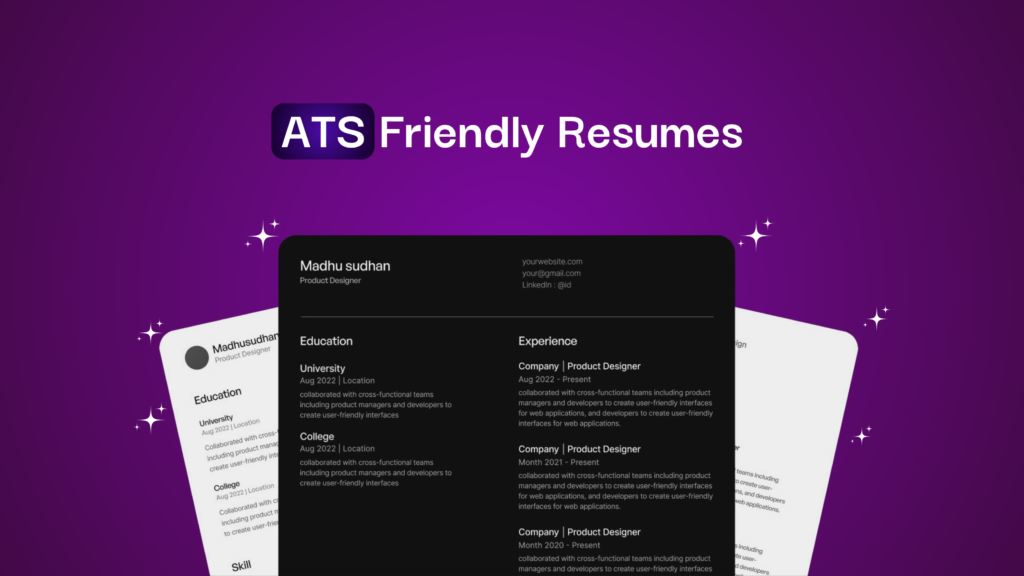
Finding a job today is no longer just about having the right qualifications. It’s about whether your resume can survive the first round of screening, often handled by software, not people. This shift has quietly transformed hiring, pushing job seekers to rethink how resumes are written, evaluated, and optimized.
AI-powered CV analysis tools have become central to this change. They don’t just scan resumes; they assess structure, relevance, and compatibility with modern hiring systems. For candidates, this technology can either be a barrier or a powerful advantage, depending on how well it’s understood and used.
In this guide, we’ll explore how AI-driven resume analysis works, why it’s trending, what recruiters actually value, and how job seekers can use these tools responsibly to improve outcomes.
Why CV Analysis Has Changed So Dramatically
A decade ago, resumes were read almost exclusively by humans. Today, that’s rarely the case.
According to Harvard Business Review, more than 98% of Fortune 500 companies use applicant tracking systems (ATS) to screen resumes before a recruiter ever sees them.
These systems rely on structured logic rather than intuition. As a result, resumes are evaluated on compatibility, clarity, and relevance, not personality or design flair.
This shift has fueled the rapid adoption of AI-powered resume analysis tools that help candidates understand how their resumes are interpreted by automated systems.
What is AI-Powered CV Analysis?
AI-powered CV analysis uses machine learning and natural language processing to evaluate resumes in a way that mimics modern hiring software.
Unlike basic tools that only check spelling or formatting, advanced analysis focuses on:
- Resume structure and section hierarchy
- Role-specific skill alignment
- Keyword relevance in real context
- Chronological consistency
- ATS readability and parsing accuracy
The goal isn’t to “game” the system, but to ensure your resume communicates clearly to both machines and humans.
ATS Score: Why It Became a Hiring Benchmark
An ATS score reflects how well a resume aligns with a specific job description. While recruiters rarely see a numerical score directly, resumes with stronger alignment are more likely to appear in shortlists.
Key factors that influence ATS score include:
- Job title relevance
- Skill match depth (not just mentions)
- Experience clarity
- Use of standard headings
- Absence of parsing errors
This explains why candidates increasingly rely on resume checker tools to assess their readiness before applying.
Resume Checker Tools: Why Job Seekers Use Them
Resume checker tools act as a diagnostic layer between candidates and hiring systems. Instead of guessing whether a resume will pass screening, candidates get actionable insights.
Most modern resume checkers analyze:
- ATS compatibility
- Missing or weak skill areas
- Formatting issues that affect readability
- Keyword alignment with job roles
However, not all tools are equal. Some focus only on keyword frequency, which can mislead users into over-optimization. The best tools prioritize relevance, clarity, and real hiring logic.
CV Score vs Resume Score: Understanding the Difference
While often used interchangeably, CV score and resume score serve slightly different contexts.
- Resume score is commonly used in North America and focuses on concise, role-specific documents.
- CV score is more relevant in global or academic hiring, where detailed professional histories are expected.
Despite format differences, both are evaluated on:
- Content relevance
- Structure
- Skill depth
- Readability
- Consistency
Recruiters don’t prefer longer documents, they prefer clearer ones.
Why AI Resume Analysis is Trending Right Now
Several factors have accelerated adoption:
1. High Application Volume
LinkedIn reports that a single job posting can receive over 250 applications on average.
Automation helps recruiters manage scale but it also raises the bar for candidates.
2. Remote and Global Hiring
Companies now hire across regions, increasing reliance on standardized screening.
3. Skill-Based Hiring
Modern roles prioritize skills over degrees, making precise skill representation critical.
AI-powered resume analysis helps candidates adapt to all three trends.
Resume Analysis From a Recruiter’s Perspective
Recruiters aren’t looking for “perfect” resumes. They look for fast clarity.
In the first few seconds, they want to know:
- Is this candidate relevant to the role?
- Do their skills match the requirements?
- Can I quickly understand their career progression?
A study by Ladders Inc. found that recruiters spend an average of 7.4 seconds scanning a resume.
AI-driven resume analysis helps candidates optimize for that reality without sacrificing authenticity.
Common Resume Mistakes AI Tools Frequently Catch
Many strong candidates are rejected due to avoidable issues, such as:
- Non-standard section headings
- Unclear job titles
- Dense paragraphs instead of bullets
- Graphics or tables that ATS systems can’t parse
- Skill lists without context
Resume analysis tools flag these problems early, giving candidates a chance to correct them before applying.
Long-Tail Keywords: A Smarter Resume Strategy
Instead of chasing generic terms, effective resumes use long-tail keywords that reflect actual job tasks.
For example:
- “Data analysis” vs “predictive data analysis for supply chain optimization”
Long-tail keywords:
- Improve ATS matching accuracy
- Reflect real job responsibilities
- Reduce competition
- Improve recruiter understanding
This approach aligns with how AI systems rank relevance, not just frequency.
Why Keyword Stuffing Hurts More Than It Helps
One of the biggest misconceptions is that more keywords equal higher ATS score. In reality, excessive repetition often reduces clarity and raises red flags.
Modern ATS systems evaluate contextual relevance, not raw density. Over-optimized resumes may pass automated checks but fail recruiter reviews.
Balanced resume analysis encourages clarity first, optimization second.
How Responsible Resume Tools Add Value
The best tools don’t promise instant jobs or inflated scores. Instead, they help users:
- Understand role expectations
- Identify skill gaps
- Improve structure and flow
- Align experience with hiring logic
Platforms like avua resume builder focus on resume readability, role alignment, and structure rather than surface-level scoring mirroring how real hiring decisions are made.
Trust, Transparency, and E-E-A-T in Resume Tools
As AI tools grow, trust becomes critical.
Reliable resume analysis platforms demonstrate:
- Experience: Built using real hiring data
- Expertise: Insights aligned with recruiter behavior
- Authoritativeness: Based on recognized hiring frameworks
- Trustworthiness: Clear feedback without false guarantees
Tools offering deeper CV score insights such as avua cv analysis emphasize learning and improvement rather than chasing arbitrary numbers.
Also Read: ATS Optimization Tips Trending in 2026 to Improve Your Resume Score
Resume Analysis is a Skill, Not a Shortcut
Using AI tools effectively requires judgment. Candidates who treat resume analysis as a learning process not a one-click fix see better results.
The most successful job seekers:
- Customize resumes thoughtfully
- Focus on clarity and relevance
- Use analysis tools to validate not replace human reasoning
When used responsibly, platforms like avua help bridge the gap between automated screening and human evaluation without turning resumes into keyword dumps.
Final Thoughts: What the Rise of AI CV Analysis Really Means
AI-powered resume analysis isn’t about beating the system, it’s about understanding it.
Hiring has become structured, data-driven, and competitive. Candidates who understand how resumes are evaluated gain a clear advantage, not by manipulation, but by alignment.
A strong resume doesn’t just score well, it communicates value clearly, honestly, and efficiently.
And that’s what recruiters are actually looking for.
FAQs
Q1. What is AI-powered CV analysis?
It uses machine learning and language processing to evaluate resume structure, relevance, and ATS compatibility.
Q2. Is ATS score more important than resume content?
No. ATS score helps with visibility, but content quality determines interview success.
Q3. Are resume checker tools reliable?
They are useful for diagnostics, but results should be interpreted thoughtfully, not followed blindly.
Q4. How often should I analyze my resume?
Ideally before applying to each role, especially when job requirements change.
Q5. Can AI resume analysis replace human review?
No. It complements human judgment by improving clarity and alignment, not replacing recruiter decision-making.