As we approach 2026, staying ahead of these trends will be critical for recruiters and employers aiming to attract top talent and maintain a competitive edge.
Here are the most impactful hiring trends to prepare for in 2026:
1. AI-Driven Recruitment
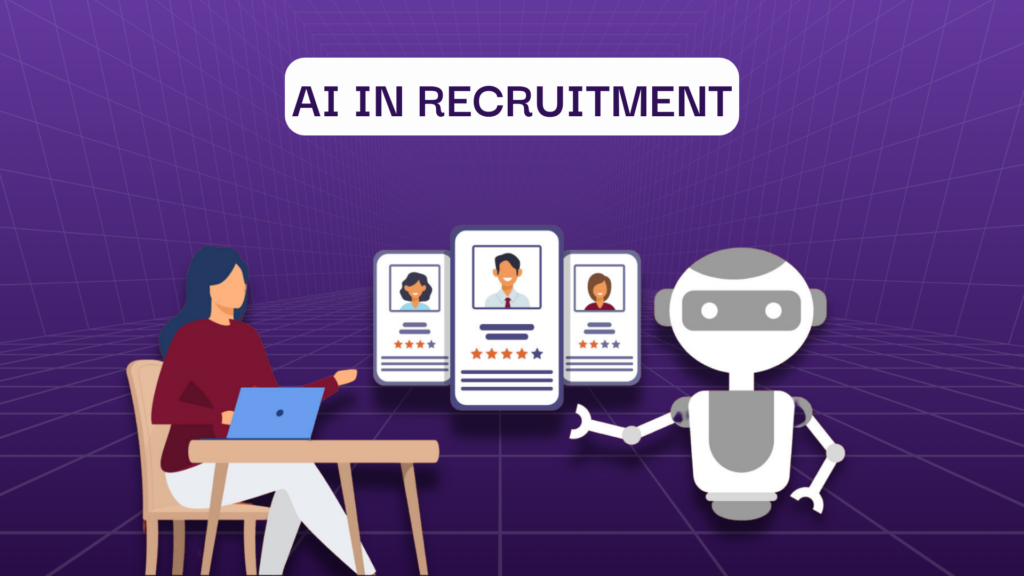
Artificial Intelligence (AI) is no longer a futuristic concept; it’s now a core element of hiring. Platforms like avua’s IdealMatch are revolutionizing how recruiters screen and identify candidates. AI tools:
- Analyze large volumes of resumes in seconds.
- Provide personalized candidate recommendations.
- Automate routine tasks like scheduling interviews and following up with applicants.
This trend not only reduces hiring costs but also ensures precision in matching candidates to roles based on skills, experience, and cultural fit.
2. Focus on Skills Over Degrees
The emphasis on formal education is diminishing. By 2026, employers will prioritize skills, certifications, and real-world experience over traditional qualifications. Tools such as skill assessments and portfolio reviews will become essential in the recruitment process. This trend is particularly relevant in fields like tech, where practical knowledge often outweighs academic credentials.
3. Hybrid Workforces and Remote-First Hiring
The pandemic changed the dynamics of the workplace, and hybrid work models will persist. By 2026:
- Employers will offer flexible work arrangements as a standard benefit.
- Remote hiring will expand talent pools beyond geographical constraints, giving companies access to a global workforce.
- Virtual onboarding will become more interactive and seamless, ensuring remote hires feel integrated and engaged from day one.
4. Diversity, Equity, and Inclusion (DEI)
Diversity hiring isn’t just a buzzword; it’s a business imperative. Organizations with diverse teams are more innovative and perform better financially. In 2026:
- Companies will use blind recruitment techniques like avua CV Masking to eliminate unconscious bias.
- DEI-focused recruitment strategies will include partnerships with organizations that support underrepresented groups.
- Metrics to measure and improve workplace inclusivity will gain traction.
5. Employer Branding as a Differentiator
With competition for top talent intensifying, employer branding will play a pivotal role in attracting candidates. Organizations will need to:
- Highlight their mission, values, and workplace culture through social media and career pages.
- Showcase employee testimonials and success stories.
- Leverage platforms like Glassdoor and LinkedIn to effectively manage their reputation and communicate their value proposition.
6. Talent Pooling and Proactive Hiring
Companies will prioritize developing talent pools over reactive hiring. Recruiters can maintain a database of pre-screened, qualified candidates through platforms like avua Talent Pool, which they can access when a position becomes available. This approach:
- Reduces time-to-hire.
- Ensures better quality hires.
- Establishes a pool of applicants prepared for upcoming positions.
7. Employee Experience as a Recruitment Tool
Satisfied employees are a company’s best ambassadors. In 2026, organizations will:
- Focus on creating positive workplace experiences.
- Invest in career development programs and wellness initiatives.
- Encourage employees to share their experiences on professional networks to enhance recruitment efforts.
8. The Rise of Contingent and Freelance Workforces
The gig economy is flourishing, by 2026:
- Companies will increasingly rely on freelancers, contractors, and project-based workers for specialized tasks.
- Recruitment strategies will include sourcing and managing freelance talent effectively.
- Flexible contracts will become an attractive option for candidates seeking work-life balance.
9. Data-Driven Recruitment Decisions
Advanced analytics and predictive tools will shape hiring strategies. HR teams will leverage data to:
- Analyze recruitment metrics like time-to-hire and cost-per-hire.
- Predict candidate success based on historical data.
- Identify trends in employee turnover to refine hiring practices.
10. Sustainability and Green Hiring
With sustainability becoming a global priority, companies are aligning their hiring practices with eco-friendly goals. In 2026:
- Roles in renewable energy and green technologies will see a surge.
- Candidates will prioritize companies with firm environmental commitments.
- Recruitment processes themselves, such as virtual interviews, will minimize the carbon footprint.
11. Upskilling and Reskilling for the Future
As technology continues to evolve, the demand for new skill sets grows. In 2026, organizations will:
- Offer training programs to upskill existing employees.
- Collaborate with educational institutions to bridge skill gaps in emerging fields.
- Incorporate lifelong learning opportunities to stay ahead of industry trends.
Conclusion
The hiring trends of 2026 signal a shift toward technology-driven, candidate-centric, and socially responsible recruitment practices. Employers who adapt to these trends will not only attract top talent but also create workplaces that are diverse, inclusive, and future-ready. Tools like avua are at the forefront of these changes, offering AI-powered solutions to simplify and enhance recruitment strategies. Whether it’s through avua Premium, CV Analysis, or Talent pool, avua equips recruiters with the resources they need to thrive in this dynamic landscape.
By staying ahead of these trends, organizations can build resilient and innovative teams that drive long-term success.